As a supplier of cylinder pipes, I’ve witnessed firsthand the critical role these components play in various industries. From construction to manufacturing, the strength of a cylinder pipe is a key factor that determines its performance and reliability. In this blog, I’ll explore the factors that affect the strength of a cylinder pipe, drawing on my experience in the industry and the latest scientific research. Cylinder Pipe
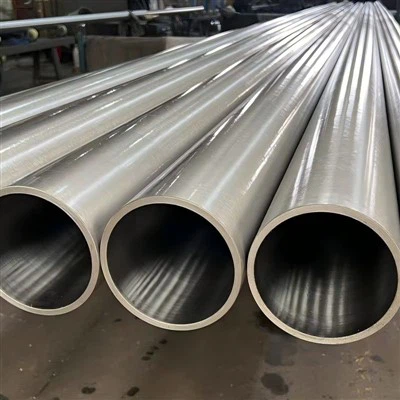
Material Composition
The material from which a cylinder pipe is made is perhaps the most fundamental factor affecting its strength. Different materials have different mechanical properties, such as tensile strength, yield strength, and hardness. For example, steel is a popular choice for cylinder pipes due to its high strength and durability. Carbon steel, in particular, is known for its excellent tensile strength and resistance to corrosion. Alloy steels, which contain additional elements such as chromium, nickel, and molybdenum, offer even greater strength and corrosion resistance.
Another important material consideration is the quality of the raw materials used in the manufacturing process. High-quality materials are less likely to contain impurities or defects that can weaken the pipe. As a supplier, we source our materials from reputable manufacturers and conduct rigorous quality control checks to ensure that our cylinder pipes meet the highest standards.
Manufacturing Process
The manufacturing process also plays a crucial role in determining the strength of a cylinder pipe. The most common methods for manufacturing cylinder pipes include seamless and welded processes.
Seamless pipes are made by piercing a solid billet of steel to create a hollow tube. This process results in a pipe with a uniform wall thickness and no seams, which can improve its strength and integrity. Seamless pipes are often used in applications where high pressure and reliability are required, such as in the oil and gas industry.
Welded pipes, on the other hand, are made by joining two or more pieces of steel together using a welding process. While welded pipes are generally less expensive than seamless pipes, they may be more prone to defects and weaknesses at the weld joints. However, advances in welding technology have made it possible to produce high-quality welded pipes with excellent strength and reliability.
In addition to the manufacturing method, other factors such as heat treatment and cold working can also affect the strength of a cylinder pipe. Heat treatment can be used to improve the mechanical properties of the pipe by altering its microstructure. Cold working, such as rolling or drawing, can also increase the strength of the pipe by work hardening the material.
Wall Thickness
The wall thickness of a cylinder pipe is another important factor that affects its strength. A thicker wall generally provides greater strength and resistance to pressure. However, increasing the wall thickness also increases the weight and cost of the pipe. Therefore, it’s important to find the right balance between strength and cost when selecting a cylinder pipe.
The required wall thickness of a cylinder pipe depends on several factors, including the operating pressure, the diameter of the pipe, and the material used. In general, pipes with larger diameters and higher operating pressures require thicker walls. As a supplier, we can help our customers select the appropriate wall thickness for their specific applications based on their requirements and budget.
Geometric Shape
The geometric shape of a cylinder pipe can also affect its strength. For example, pipes with a circular cross-section are generally stronger than pipes with other shapes, such as rectangular or oval. This is because a circular shape distributes stress evenly around the circumference of the pipe, reducing the risk of stress concentration and failure.
In addition to the cross-sectional shape, the length and diameter of the pipe can also affect its strength. Longer pipes are more prone to buckling and bending, while pipes with larger diameters may require thicker walls to maintain their strength. As a supplier, we can provide our customers with guidance on the optimal geometric shape and dimensions for their specific applications.
Environmental Conditions
The environmental conditions in which a cylinder pipe operates can also affect its strength. For example, exposure to high temperatures, corrosive chemicals, or extreme weather conditions can weaken the pipe over time. Therefore, it’s important to select a cylinder pipe that is suitable for the specific environmental conditions in which it will be used.
In addition to the environmental conditions, the installation and maintenance of the pipe can also affect its strength. Proper installation and maintenance can help to prevent damage and ensure that the pipe operates safely and efficiently. As a supplier, we can provide our customers with installation and maintenance guidelines to help them get the most out of their cylinder pipes.
Conclusion

In conclusion, the strength of a cylinder pipe is affected by a variety of factors, including material composition, manufacturing process, wall thickness, geometric shape, and environmental conditions. As a supplier of cylinder pipes, we understand the importance of these factors and work closely with our customers to select the right pipe for their specific applications.
Honed Tubes If you’re in the market for high-quality cylinder pipes, I encourage you to contact us to discuss your requirements. Our team of experts can provide you with detailed information about our products and help you select the right pipe for your needs. We look forward to working with you to meet your cylinder pipe needs.
References
- ASME Boiler and Pressure Vessel Code
- ASTM International Standards
- API Standards
- ISO Standards
Jiangsu Ying Naisi Machinery Manufacturing Co., Ltd.
We are one of the most professional cylinder pipe manufacturers and suppliers in China, also support customized service. We warmly welcome you to buy bulk cylinder pipe in stock here from our factory. Quality products and low price are available.
Address: No.5 Industrial Road Panjia Industrial Zone. Xueyan Town, Wujin District, Changzhou City,Jiangsu Province China.
E-mail: mary@cnhengjiu.com
WebSite: https://www.ynstube.com/
