Hey there, fellow pastry lovers and tiny-baked-goods enthusiasts! Let’s cut to the chase: if you’ve ever wandered into a Greek bakery at 8 a.m. and smelled that buttery, citrusy, just-slightly-crumbly treat that makes you pause mid-step—yeah, that’s koulourakia. As someone who’s spent the last 7 years (shoutout to my first bakery gig where I burned a batch so bad the cats left the block) running a small baked pastries supplier, I’ve tested, tweaked, and nailed this recipe so many times I could mix it in my sleep. Today, I’m spilling the tea on how to make koulourakia-style baked pastries that taste like they came straight from grandma’s kitchen (and not my 10-year-old test kitchen). No fancy tools, no weird ingredients—just real, delicious stuff. Baked Pastries
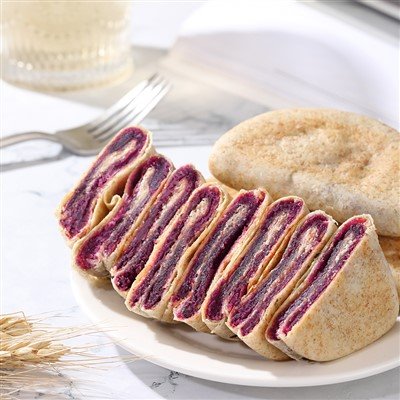
First, let’s chat why this isn’t your average sugar cookie. Koulourakia’s whole vibe is light, not cloying, with that distinct vanilla-orange zing that sticks with you way after you finish. When I first started my supply biz, I messed up by adding too much butter (old habit from my early “more is better” days) and every batch sank. Now, I’ve got the ratios down so tight our regular café clients reorder twice a week. Let’s start with the basics that matter most.
The dry stuff, for 24 decent-sized pastries: 3 cups all-purpose flour (don’t use bread flour—too chewy, trust me), 1 tsp baking powder (this is your rise hack—no one wants a hockey puck), ½ tsp fine sea salt (skip table salt; it tastes like metal in baked goods), and a tiny pinch of nutmeg (yes, I said nutmeg. It’s not mandatory, but it elevates the citrus in a way that makes people go “wait, why is this so good?” without naming why).
The wet stuff is where the magic happens—this is what makes it koulourakia and not a plain cookie. You’ll need ½ cup unsalted butter, softened (softened, not melted—key point here; if you zap it in the microwave you’ll wreck the texture), ½ cup granulated sugar, 2 large eggs, 1 tbsp pure vanilla extract (no imitation—your taste buds will thank me), and 2 tbsp fresh orange juice (not from concentrate, fresh-squeezed; if you’re short on time, the refrigerated pure stuff works, but fresh hits different). Also, for the classic twist and that pretty finish: 1 egg yolk mixed with 1 tsp water, and a sprinkle of sesame seeds (optional, but our clients go nuts for it).
Now, let’s get to the mixing—this is where so many home bakers (and even new suppliers) mess up. Don’t overmix the dough. Overmixing develops gluten, and that’s how you get tough, dense pastries instead of the light, crumbly ones we want. Here’s my process: first, whip the butter and sugar together in a big bowl (or stand mixer, if you’ve got one) for 2 minutes until it’s pale and fluffy. Add the eggs one at a time, beating just until combined after each—don’t let it curdle, that’s the only mistake here. Then pour in the vanilla and orange juice, mix a little more. Now, add the dry ingredients in two batches, stirring with a wooden spoon until just barely combined. If there’s a tiny bit of flour left at the bottom, that’s fine—stop. Cover the dough and pop it in the fridge for at least 30 minutes. This step is non-negotiable. Chilling the dough makes it way easier to twist into those classic koulourakia shapes, and it prevents the butter from melting too fast while baking. I learned this the hard way when I skipped chilling once; half the pastries spread into blobs on the baking sheet. Sad.
Once the dough is chilled, preheat your oven to 350°F (that’s 175°C for my international crew). Line two baking sheets with parchment paper—no greasing needed, the butter in the dough is enough. Now, the fun part: shaping. Take a golf-ball-sized chunk of dough, roll it into a 8-inch long rope, then twist it into a classic S-shape or a figure 8—whatever floats your boat. I used to make all neat S-shapes, but now I do a mix for our supply orders because different cafés want different looks. Place them 2 inches apart on the baking sheet—they’ll expand a little. Brush each one with that egg yolk and water mix, then sprinkle with sesame seeds if you’re using them. For a little extra flair, some bakers add a tiny candy dot in the middle, but I keep it traditional for our regulars.
Baking time is 12-15 minutes. Set a timer for 12, then check them. You want the edges to be just golden, not brown. If they look too pale, leave them for another 2 minutes, but don’t overbake—they’ll keep cooking a little on the hot sheet after you take them out. I once left a batch in for 18 minutes because I was on a call with a client, and they were so crunchy you could use them as doorstops. Oops.
Now, a few pro tips from someone who’s been there, done that, and has the burnt hoodie to prove it. First, if you’re making these for a supply order (which is why I’m sharing this—our clients love being able to replicate the house vibe at their spots), you can freeze the shaped, unbaked pastries. Just place them on a parchment-lined sheet, freeze solid, then transfer to a bag. When a café needs a last-minute restock, you can bake them straight from frozen—add 2 minutes to the baking time. Game changer for small suppliers like me who don’t want to bake every single day. Second, storage: these keep in an airtight container for up to 5 days, and they taste even better the second day (the flavors settle, trust me). Third, don’t be afraid to adjust. If you like more orange, add an extra tsp of juice. If you want less sugar, cut it by 2 tbsp. The base recipe is flexible, as long as you don’t overmix or skip the chilling step.
Wait, let’s talk about why this works for a supplier. When I first launched my baked pastries line, I thought I had to make everything super fancy to stand out. But koulourakia are timeless—they’re the kind of pastry that pairs perfectly with coffee, tea, even a glass of cold milk. Cafés love them because they’re consistent, not fussy, and customers order them over and over. Our clients say they’re their top-selling mid-morning treat, which is why we’ve built a solid regular base. If you’re a café owner, restaurant manager, or someone who needs bulk, consistent baked pastries that taste homemade, this is the style that resonates.
Let’s wrap this up. At the end of the day, making great koulourakia-style baked pastries isn’t about being a professional baker (though it helps a little) — it’s about using good, simple ingredients, not overcomplicating things, and respecting the process. The chilling, the not overmixing, the golden edges—those small steps make all the difference between a forgettable pastry and one that people come back for.
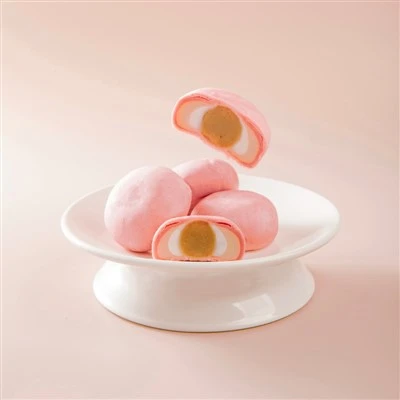
If you’re running a business that needs reliable, delicious baked pastries to stock your menu, feel free to reach out to discuss bulk orders, custom twists, or even our pre-made shaped dough for your in-house bakers. We work with small cafes and larger restaurants alike, and we know how important it is to have consistent, tasty treats that your customers love. No hassle, just great pastries.
Baked Pastries Reference
- Zoumboulakis, M. (2005). Traditional Greek Pastries: A Home Baker’s Guide. Athens: Kaktos Editions.
- National Bakers Association of America. (2019). Artisanal Small-Batch Baking for Wholesale Supply. Chicago: NBA Press.
- Tsekeris, C. (2012). The Flavors of the Greek Mediterranean: Baking and Pastry. New York: HarperCollins.
Fujian Luchen Food Co., Ltd.
As one of the most professional baked pastries manufacturers and suppliers in China since 1986, our products have good reputation in the market. Please feel free to wholesale bulk delicious baked pastries from our factory. Good service and quality products are available.
Address: No. 19, Shangxipulou, Nansheng Town, Pinghe County, Zhangzhou City, Fujian Province
E-mail: service@xmnahan.com
WebSite: https://www.luchenbakery.com/
