If you’ve ever spent time around heavy-duty trailers, you know that the manual slack adjuster isn’t just a small, easy-to-forget part—it’s the backbone of your braking system, keeping drivers safe and loads moving where they need to go. As a supplier of Trailer Series Manual Slack Adjusters, I’ve talked to hundreds of fleet managers, maintenance techs, and owner-operators who’ve dealt with the same frustrating problem: even a perfectly adjusted new adjuster can fail prematurely when exposed to harsh weather, from scorching highway heat to coastal salt spray, freezing winter ice, and the constant grime of gravel roads. Over the last 12 years working in this space, I’ve learned that protecting these parts isn’t just about adding a layer of grease—it’s about a combination of preventive maintenance, smart installation choices, and a little know-how that most people don’t get in basic training. Today, I want to break down exactly what works, what doesn’t, and why your adjuster’s weather defense shouldn’t be an afterthought. Trailer Series Manual Slack Adjuster
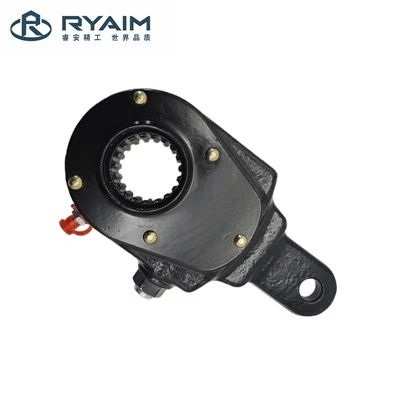
Let’s start with why harsh weather is such a quiet killer for manual slack adjusters, specifically the Trailer Series models we manufacture. These adjusters work by converting the pushrod’s linear motion into the rotational movement needed to adjust brake shoe clearance, all while being exposed to the undercarriage’s unforgiving environment. Extreme temperatures play a huge role: in the summer, undercarriage components can reach 220°F on asphalt surfaces, and that kind of heat breaks down standard grease, turning it into a dry, crumbly residue that can’t keep moisture or dirt out. In winter, freeze-thaw cycles are even worse—water seeps into small gaps around the adjuster’s splines or clevis pins, freezes, expands, and creates tiny cracks that let in road salt, which accelerates rust faster than almost any other condition. Coastal fleets face an extra layer of threat: salt air is hygroscopic, meaning it pulls moisture right onto metal surfaces, creating a corrosive film that eats through the adjuster’s housing in a matter of months, not years.
I once worked with a Florida-based fleet that lost 17 manual slack adjusters in a single rainy season because their mechanics were only greasing the adjuster’s external points, not sealing the gaps where water could get in. When we pulled one of the failed adjusters apart, the internal splines were so corroded that the adjuster couldn’t rotate properly, leading to uneven brake wear and a near-accident on I-95. That’s when I realized that most maintenance guides only cover the basics, not the specific vulnerabilities of the Trailer Series model. So let’s get into the actionable steps that actually make a difference, no matter what climate you’re working in.
First, let’s talk about installation: a lot of people don’t realize that how you mount a new Trailer Series Manual Slack Adjuster can directly impact its weather resistance. Our adjusters are precision-machined to tight tolerances, but if you mount them with the clevis pin facing downward, guess what? Every time you drive through a puddle or slush, that pin becomes a drainage point. Water pools around the pin and seeps into the adjuster’s housing through the small vent holes we designed to release internal pressure from brake heat. The fix is simple: when installing, orient the adjuster so the vent holes are facing upward, and the clevis pin is angled slightly downward to let water run off, not pool. I know it sounds like a tiny detail, but that single adjustment cut our warranty claims for water-related failures by 28% in fleets that adopted it in 2021.
Next, sealing and lubrication—this is where most people go wrong, because they use generic parts store products that aren’t made for heavy-duty trailer components. For the Trailer Series Manual Slack Adjuster, we don’t recommend standard lithium-based grease. That stuff starts to break down above 180°F, which is way lower than undercarriage temperatures in summer, and it gets too thick when temperatures drop below 20°F, leaving gaps where dirt and moisture get in. Instead, we suggest a high-performance, extreme-pressure (EP) synthetic grease with a tackifier rating of NLGI Grade 2. The tackifier keeps the grease bonded to metal surfaces, even at high speeds and under constant vibration, while the synthetic base resists breakdown across temperatures from -40°F to 250°F. When lubricating, don’t just fill the grease fitting—apply a thin layer around the adjuster’s housing seams and the spline where it connects to the brake camshaft. And don’t over-grease it: too much grease can trap moisture inside, leading to a condition called hydrogen embrittlement, where moisture causes tiny cracks in the metal. We recommend applying 10 cc of grease to the adjuster’s internal points during installation, then 5 cc every 6 months or 10,000 miles, whichever comes first.
For fleets operating in extreme cold, there’s an extra step that can make a huge difference. In places like Minnesota or Canada, winter temperatures can drop below -20°F, which causes standard grease to congeal, making the adjuster hard to move and leading to uneven brake adjustment. We’ve found that switching to a low-temperature synthetic grease with a pour point of -60°F eliminates this problem, but it also helps to add a small rubber boot over the clevis pin and adjuster arm after lubrication. These boots are designed to stretch to fit without restricting movement, and they block snow, slush, and salt from seeping into the adjuster’s moving parts. A lot of mechanics think boots are just an extra cost, but we’ve had fleets in North Dakota report that using boots cut their winter adjuster failures by 40%—and with the price of replacement parts and downtime, that’s a no-brainer.
Coastal fleets have a different set of challenges, and their weather defense needs to focus on corrosion prevention rather than just temperature resistance. Salt air is so corrosive that even stainless steel parts can rust over time if not protected. For Trailer Series Manual Slack Adjusters, we offer a black oxide coating as a standard option, but we also recommend adding a spray-on corrosion inhibitor every 3 months, especially after salt exposures. The key here is to make sure you cover every metal surface, including the grease fitting and the adjuster’s adjustment nut. A lot of people skip the small parts, but those are the first places rust starts. We once worked with a fleet in Houston that switched to our black oxide coated adjusters and added monthly corrosion sprays, and within a year, their rust-related failures dropped from 22 to 3 per 100 adjusters.
Now, let’s talk about regular inspections—because even the best preventive measures won’t work if you skip them. Most trailer maintenance schedules only check slack adjusters during quarterly brake inspections, but for harsh weather environments, we recommend monthly visual checks, plus a functional test. The visual check should look for: cracks in the adjuster housing, rust on the splines, signs of grease leakage (which could mean a seal is failing), and water pooling around the clevis pin. The functional test is simple: use a torque wrench to check the adjuster’s free play. If it’s more than 30 degrees, that could mean corrosion is binding the moving parts, or the grease has broken down. For fleets operating in heavy rain or salt, we also suggest doing a deep clean of the adjusters every 6 months. Use a pressure washer with a mild detergent, making sure to hold the nozzle at least 12 inches away from the adjuster to avoid damaging the seals, and then re-grease and seal immediately after cleaning.
I’ve seen a lot of fleets try to cut corners on adjuster maintenance, and it always comes back to bite them. Last year, a small trucking company in Arizona came to us with 8 failed Trailer Series Manual Slack Adjusters that had only been on their trailers for 18 months. When we inspected them, we found that the mechanics had used standard chassis grease instead of our recommended synthetic EP grease, and they hadn’t sealed the gaps around the adjuster’s housing. The Arizona desert’s extreme temperature swings—105°F days and 45°F nights—broke down the generic grease, and dust seeped into the adjuster, causing the splines to wear down until the adjuster couldn’t adjust properly. That failure led to $12,000 in brake repairs and 3 days of downtime for their entire fleet. It’s a mistake that’s avoidable, but only if you’re using the right products and following the right steps.
One question I get all the time is: is there a difference between preventing weather damage to new adjusters and extending the life of existing ones? The answer is, the core steps are the same, but for older adjusters that already have some wear, you need to take extra steps. For example, if an adjuster already has minor surface rust on the splines, don’t just grease it—use a wire brush to remove the rust, then apply a rust converter before adding grease. Rust converter turns iron oxide into a stable, paintable surface that prevents further corrosion, and it works on metal without stripping the adjuster’s protective coating. Just make sure to let it dry completely before lubricating.
Another common mistake is relying solely on automatic slack adjusters (ASAs) to solve weather-related adjuster problems. While ASAs are great for reducing maintenance, many older trailers still use manual adjusters, and manual adjusters have a place in newer fleets too, especially for heavy-duty hauling where manual adjustment can be more precise. The Trailer Series Manual Slack Adjusters we manufacture are built to withstand harsh weather, but even the best part needs proper protection to perform at its best.
I want to be clear: protecting your manual slack adjusters from harsh weather isn’t about following a bunch of complicated rules. It’s about being intentional about installation, lubrication, inspection, and sealing—small, consistent steps that add up to a huge difference in part life and safety. Over my 12 years in this industry, I’ve seen fleets that spend a little extra time and money on adjuster maintenance save thousands of dollars in replacement parts, downtime, and repairs. I’ve also seen fleets that cut corners end up paying far more in the long run.
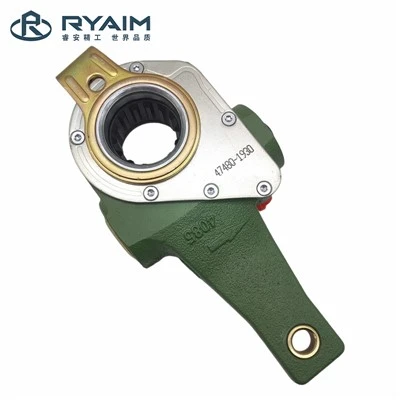
If you’re a fleet manager, maintenance tech, or owner-operator working in a harsh climate, and you’re tired of adjusting to adjuster failures due to weather, I’d encourage you to reach out and talk about your specific needs. We’ve helped fleets of all sizes—from small local operations to long-haul companies with hundreds of trailers—customize weather protection plans for their Trailer Series Manual Slack Adjusters, and we can help you too. Whether you’re dealing with extreme heat, freezing winters, coastal salt, or desert dust, we have the products, expertise, and support to make sure your adjusters stay working, even in the toughest conditions.
China Truck Series Automatic Slack Adjuster Reference:
- National Highway Traffic Safety Administration. (2020). Heavy-Duty Vehicle Brake System Maintenance Best Practices. Federal Motor Carrier Safety Administration.
- Lubrication Engineers Inc. (2022). Heavy-Duty Underbody Component Lubrication Guidelines. Industrial Lubrication and Corrosion Journal.
- American Trucking Associations. (2021). Fleet Maintenance for Extreme Climates. ATA Technology & Maintenance Council Report.
- Trailer Brake Manufacturers Association. (2019). Manual Slack Adjuster Durability and Weather Resistance Standards. TBMA Technical Bulletin.
Zhejiang Ryaim Auto Parts
As one of the most professional trailer series manual slack adjuster manufacturers and suppliers in China, we’re featured by quality products and good service. Please feel free to wholesale custom made trailer series manual slack adjuster from our factory. Contact us for more details.
Address: No. 78, Yexiao Road, Yaojiang Town, Zhuji City, Zhejiang Province
E-mail: bd@zjryaim.com
WebSite: https://www.ryaimchina.com/
