If you’ve ever walked past a telecom tower in a rain-soaked city, peeked at the control panel inside a medical device that runs 24/7, or glanced at an electrical breaker box tucked in a parking garage, you’ve probably seen a stainless steel sheet metal enclosure—and didn’t even notice. For over a decade, I’ve run a small sheet metal enclosure supply business, and I can tell you these aren’t just metal boxes. They’re the unsung backbone of every industry that depends on reliable, long-lasting gear, and their unique characteristics make them stand head and shoulders over every other material we work with. Let’s break down what makes stainless steel sheet metal enclosures so special, from their core material properties to the small, deliberate design choices that keep my customers coming back year after year. Sheet Metal Enclosure
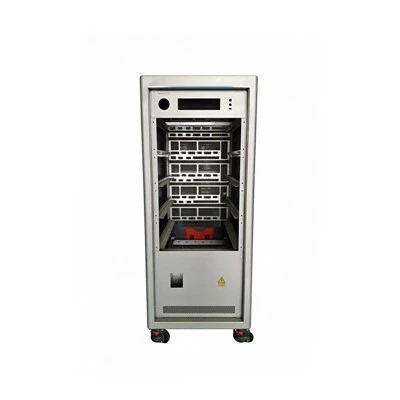
First, let’s talk about the material itself, because that’s where the entire story starts. Unlike regular steel, which rusts the second it’s exposed to moisture or air, stainless steel gets its superpower from a thin, invisible layer of chromium oxide that forms the second it’s exposed to oxygen. Most people don’t realize this layer is self-healing—if it gets scratched or damaged (say, from a tool mark during fabrication), the chromium in the surrounding steel reacts with air or water to patch itself back up. That’s a huge deal for enclosures that live outdoors, or in harsh industrial settings where dust, chemicals, or salt spray are constant. I remember a customer in the coastal construction industry who tried aluminum enclosures for their site-level sensor arrays a few years back. By the end of the first summer, the salt air had pitted the aluminum, and half the sensors were failing because water had seeped through the rust holes. We swapped them for 304 stainless steel enclosures, and three years later, they still look almost new. The initial cost was a little higher, but they’ve saved him tens of thousands in replacement costs—something I always make sure new customers understand before they choose material.
Stainless steel comes in different grades, too, and not all of them are the same. The two most common we work with are 304 and 316, and picking the right grade is one of the biggest parts of making an enclosure that works for a specific job. 304 is the workhorse—its chromium content (around 18%) and nickel (8%) make it perfect for general-purpose use: food processing equipment, commercial electrical panels, telecom gear in temperate climates. It’s affordable, easy to bend, weld, and cut, so it’s our go-to for 70% of the orders we get. 316 is a step up, with 2-3% molybdenum added that makes it immune to chlorides. That’s the grade we send to customers in marine industries, pharmaceutical manufacturing facilities, and chemical processing plants—places where saltwater, cleaning chemicals, or industrial fumes would eat through 304 in months. Last year, we built enclosures for a fish processing plant in Alaska; they needed something that could handle the constant exposure to fish blood, salt, and hot, high-pressure hoses used to clean the facility. 316 stainless was the only option that would hold up, and the plant manager told us later that they haven’t had to replace a single enclosure in two years, which is unheard of for their old setup.
Next, the workability of stainless steel sheet metal is a key characteristic that a lot of new customers don’t think about until they’re placing their first order. Unlike thick, solid stainless pieces, sheet metal is lightweight, malleable, and easy to shape into custom enclosures that fit whatever piece of equipment a customer is housing. We can cut it with laser cutters for precision holes, bend it into tight corners, weld it seamlessly, and punch custom slots for cable glands or mounting brackets—all without compromising the material’s strength. I always tell my team that a good enclosure doesn’t just hold stuff; it fits the equipment like a glove. For a medical device customer, we recently built custom enclosures for portable ultrasound machines that had to be light enough for technicians to carry, but tough enough to withstand drops in hospital hallways. Working with stainless sheet let us make thin (16-gauge) walls that are strong enough to absorb impact, but light enough so the techs don’t get fatigued during long shifts. Compare that to a solid aluminum enclosure, which would have to be much thicker to match the impact resistance, and would add too much weight—stainless sheet’s workability is a game-changer for that balance of strength and practicality.
Durability is another non-negotiable characteristic of these enclosures, and it shows up in every day-to-day use case. Stainless steel is fire-resistant, for one thing—it doesn’t melt until it hits around 1,400-1,500 degrees Celsius, which is way higher than the temperatures in most electrical fires or industrial blazes. That’s why we supply so many enclosures for data centers, where servers and wiring need to stay protected during a fire emergency. Even small residential setups, like a home solar battery system, use stainless steel enclosures because they can handle the heat from a battery failure better than plastic or aluminum. They’re also impact-resistant—they don’t dent easily, which matters for enclosures that are stored in warehouses, mounted on moving vehicles, or used in construction zones where tools and heavy materials are constantly being moved around. I’ve had customers drop a stainless enclosure from a 10-foot scaffold onto concrete during installation, and the only mark was a tiny scratch that we buffed out—no cracks, no dents, no broken panels. That’s a level of reliability you can’t get with cheaper materials.
Corrosion resistance, which I touched on earlier, deserves its own section because it’s the single biggest reason customers choose stainless over other options. It’s not just salt and moisture, either—it’s resistance to things like UV radiation (unlike plastic enclosures, which turn brittle and yellow after years of sunlight), industrial chemicals like acids or alkalis, and even airborne pollutants like sulfur dioxide from factories. A few years back, we built enclosures for a water treatment plant in the Midwest that’s exposed to raw sewage, chlorine, and other harsh chemicals. The old enclosures were made of painted steel, and they’d start rusting within a year. Our stainless enclosures are still in perfect shape five years later, with no peeling paint, no pitting, and no leaks. That corrosion resistance also translates to low maintenance—customers don’t have to paint them every few years, or sand down rust spots, or seal gaps to keep moisture out. They just install them and forget about them, which saves a ton of time and money for businesses that have to manage dozens or hundreds of enclosures across their facilities.
Wait, I should also mention the hygiene aspect, which is a huge selling point for industries like food and pharmaceuticals. Stainless steel is non-porous, so it doesn’t trap bacteria, mold, or dirt the way plastic or even painted metal does. It’s also easy to clean—you can wipe it down with harsh disinfectants, steam it, or use high-pressure washers without damaging the surface. The FDA actually approves 304 and 316 stainless steel for use in food and pharmaceutical processing equipment, which means our enclosures are a perfect fit for companies that have to meet strict health and safety regulations. Last year, we worked with a craft brewery that needed enclosures for their fermentation tanks’ control panels. They had been using plastic enclosures that would get stained with beer residue and develop mold in the seams, even after cleaning. We switched them to brushed stainless steel enclosures, and their cleaning crew told us that now, a quick wipe-down with a food-safe cleaner is all it takes to keep the panels sanitary. The brewery even passed their annual health inspection with no issues, which they’d struggled with in the past with their old enclosures.
Of course, no material is perfect, and stainless steel sheet metal enclosures do have a few trade-offs that I always make sure customers understand upfront. The biggest one is cost: stainless is more expensive than aluminum, painted steel, or plastic, especially if you’re using 316 grade. But as I mentioned earlier, that higher upfront cost almost always pays off in the long run with fewer replacements, less maintenance, and longer lifespans. Another trade-off is that stainless steel can scratch more easily than some other metals, but those scratches are just cosmetic—remember that self-healing oxide layer? Even if you have a deep scratch, it won’t rust, so it doesn’t affect the enclosure’s performance. We also work with customers to add powder coating or other finishes to protect against scratches or match their brand colors, which can minimize those cosmetic concerns.
Another key characteristic that a lot of people overlook is the versatility of stainless steel sheet metal enclosures. We can build them in almost any size or shape, from tiny 2×2 inch enclosures for small electronics to large 8×10 foot enclosures for industrial machinery. We can add custom features like locking latches, ventilation holes, mounting flanges, cable glands, or even transparent windows for monitoring internal components. A customer in the renewable energy space recently ordered custom enclosures for wind turbine sensors that had to be mounted high up on towers, so we added weatherproof gaskets and locking handles to keep water and animals out, and made them with a vented top to prevent overheating from the sun. No two projects are the same, and stainless sheet’s flexibility lets us adapt to whatever a customer needs.
Over the years, I’ve seen a lot of materials come and go for enclosures, but stainless steel has stayed the gold standard because its characteristics are exactly what most industries need: reliability, durability, low maintenance, and versatility. I’ve had customers who swore by aluminum for years switch to stainless after a few failed projects, and never looked back. The key is not just picking stainless, but picking the right grade and design for the specific environment it’s going to live in.
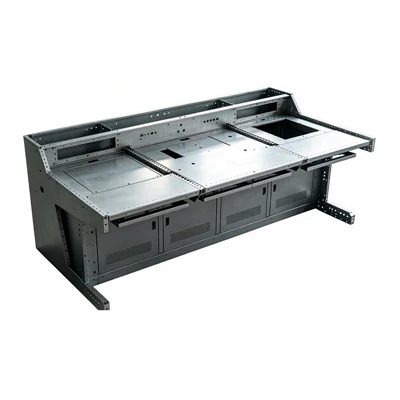
If you’re shopping for sheet metal enclosures and wondering if stainless steel is the right fit for your project, feel free to reach out to our team to discuss your needs. We can help you choose the right grade, size, and custom features to make sure your enclosure lasts for years, no matter what it’s exposed to. Whether you need enclosures for industrial equipment, medical devices, food processing, or outdoor electronics, we have the expertise to deliver exactly what you need.
Sheet Metal Fabrication Machinery References
- ASM International. (2005). Stainless Steel: Properties and Materials. ASM Handbook, Volume 19: Fatigue and Fracture, 423-431.
- American Iron and Steel Institute. (2018). Stainless Steel Grades and Applications: A Guide for Manufacturers. AISI Publication 18-002.
- Food and Drug Administration. (2020). Materials of Construction for Food Contact Surfaces and Equipment. FDA Food Code, Chapter 4.
- National Electrical Manufacturers Association. (2019). Enclosure Standard for Electrical Equipment (NEMA 250). NEMA Publication 250-2019.
- Marine Corrosion Prevention Association. (2021). Corrosion Resistance of Stainless Steels in Marine Environments. MCPA Technical Bulletin 07-21.
Hefei Excellent Intelligent Technology Co., Ltd.
As one of the most professional sheet metal enclosure manufacturers in China, we’re featured by quality products and good service. Please rest assured to wholesale bulk customized sheet metal enclosure made in China here from our factory. Also, pricelist is available.
Address: No. 3 Jingyi Road, Douzhen Industrial Park, Gangji Town, Changfeng County, Hefei City, Anhui Province
E-mail: 1637201948@qq.com
WebSite: https://www.cnakst.com/
