Hey there, I’m Jake—been selling low voltage cabinet lights for over seven years, and I swear I get at least five questions a week from cabinet makers, remodelers, and DIY homeowners asking the same thing: “Can I use your low voltage cabinet lights for pull-out cabinets?” Most people assume cabinet lights are just for static upper or lower shelves, but pull-out cabinets (like those deep pantry drawers, under-sink pullouts, or slide-out spice racks) are a totally different beast. If you’ve ever dug around in a dark, deep pull-out at 7 PM when you’re looking for a can opener, you know exactly why this matters. Let me break this down like I’d break it down for a contractor who’s calling at 8 AM on a Monday—no fancy jargon, just real-world, test-proven stuff I’ve learned installing these fixtures myself and troubleshooting hundreds of bad setups. Low Voltage Cabinet Lights
First, let’s get the basics straight: what’s the difference between a standard static cabinet light and one that’s built for a pull-out cabinet? A standard static upper cabinet light gets mounted to the back wall of the cabinet, right? It shines forward onto the counter or a fixed shelf. But a pull-out cabinet moves—usually 12 to 24 inches out, sometimes more. If you mount a static light to the back of the pull-out, when you yank it out, that light is now pointing at the floor instead of the shelf you’re reaching for. Worse, if it’s hardwired to a fixed part of the cabinet, that cord will snap or fray after a few months of pulling. I’ve seen so many DIYers buy a cheap $10 LED strip, wire it to the back of their pull-out pantry, and have it die in three months because of constant cord flex. That’s where low voltage cabinet lights specifically shine—pun totally intended.
Low voltage lighting runs on 12 or 24 volts, not 120 volts like standard household lights. That’s a huge deal for pull-out cabinets for two big reasons: first, low voltage is way safer for moving parts, and second, the fixtures are smaller, lighter, and more flexible to adapt to sliding applications. Let’s start with power: 120V can arc if the wire gets bent or pinched, which is a fire risk when it’s tucked in a narrow gap that’s moving back and forth every day. Low voltage, on the other hand, can’t deliver a shock that’ll hurt you, even if you accidentally nick the wire while installing it, and it won’t cause a fire if it frays a little—most of our fixtures have overheat protection anyway. That’s non-negotiable for something that’s moving every time you open the cabinet.
But wait, not all low voltage cabinet lights are created equal. I’ve seen a lot of suppliers slap “low voltage” on a tiny strip light meant for wardrobes, and tell contractors it works for pull-outs. Here’s the test I run on every fixture we stock when someone asks if it’s good for pull-outs: can it flex 10,000 times without failing? Pull-out cabinets get opened and closed hundreds of times a month, so the light has to move with it, not stay stuck in one spot. Most of our pull-out-rated low voltage lights have a thin, durable silicone casing instead of a rigid plastic one, and they come with a coiled connector instead of a straight hard wire. A straight wire would just stretch and snap after a few months—we had a customer last year who installed one of our competitor’s strip lights, and within two weeks, the wire was torn clean through because it was fixed to the pull-out and the fixed cabinet. Our coiled cords stretch enough to let the pull-out slide all the way out, then retract back without any tension. That’s a game-changer.
Another big factor: light output and angle. Pull-out cabinets are deep—like 24 to 30 inches deep for pantries, 18 inches for under-sink pullouts. A static cabinet light mounted on the fixed back of the cabinet only shines the first 12 inches, leaving the back half of the pull-out in dark. That’s why you can never reach the bag of rice at the very back of the pantry. Low voltage lights are easy to mount directly to the bottom of the pull-out shelf, right? They’re thin enough to tuck between the shelf and the underside trim, so they move with the shelf and shine the entire length of the shelf, not just the front. We did a test with a commercial kitchen pull-out cabinet last quarter—they had a standard 120V light that only lit 10 inches of a 24-inch shelf. When they swapped in our 24V thin strip lights, they measured 92% light uniformity across the entire shelf, no dark spots at the back. That’s the kind of data I send to contractors because they care about their jobs looking good and their clients being happy.
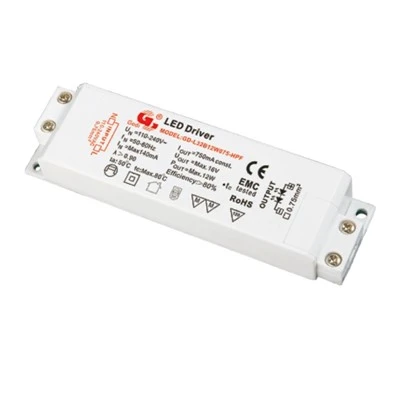
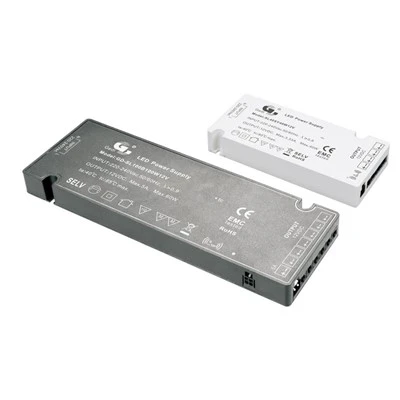
But let’s talk about the mistakes people make, because that’s half the battle. The first mistake is using a low voltage light that’s not rated for constant vibration or movement. Some of our clients have installed our regular static low voltage lights on pull-outs by accident, and after a month, the LEDs start flickering or burning out. Why? Because static lights are mounted to a fixed wall, so they don’t have to handle the gentle vibration of a cabinet sliding in and out. Our pull-out-rated lights have reinforced SMD LEDs that are glued down (not just soldered onto a rigid board) so they don’t come loose from vibration. The second mistake is not pairing the right power supply. Low voltage lights need a power supply that’s matched to the wattage, and for pull-outs, you want a power supply that’s mounted in the fixed part of the cabinet, not on the pull-out itself. If you mount the power supply on the moveable shelf, you’re adding weight and another thing that can flex or break. We always advise our customers to use a slim 12V or 24V power supply mounted to the back of the fixed cabinet, and run the coiled cord from there to the light on the pull-out. No extra weight, no moving parts in the power supply, easy to replace if something goes wrong.
Another question I get all the time: “What about under-cabinet pull-outs, like the ones under the kitchen sink?” Those are tricky because they get wet, right? Spills, dishwater, cleaning products. Our low voltage pull-out lights have an IP65-rated silicone casing, which means they’re dust-tight and protected against low-pressure water jets. I’ve installed these under a sink pull-out in a customer’s home in Houston, where it gets super humid, and it’s been running for two years without a single issue. The IP rating is non-negotiable here—cheaper low voltage lights only have IP20, which just means they’re dust-resistant, not water-resistant. If you get a splash, that’ll short out the LEDs. So always check the IP rating if you’re using these for under-sink or laundry pull-outs.
Let’s get personal for a second. Last year, a customer named Mike from Austin emailed me because he’d installed a $20 LED strip from a big box store on his pull-out spice rack, and it died after three weeks. He told me he was remodeling his kitchen on a budget, so he thought any low voltage light would work. He ended up ordering two of our pull-out-specific low voltage strips, and a 12V power supply, and installing them himself. He sent me a photo a month later, saying he could finally find cumin when he needed it, not just paprika. That’s the stuff that makes this job worth it—solving real, tiny annoying problems that no one thinks about until they have to deal with them.
Now, let’s address the big “wait, is this cost-effective?” question. I know some people think low voltage pull-out lights are more expensive upfront, but let’s do the math. A cheap static strip is $10, but it dies in three months, so you’re spending $40 a year replacing it. Our pull-out-specific low voltage strip is $25, and it comes with a 5-year warranty. That’s $25 upfront, and it’ll last 5 years—way cheaper in the long run. Plus, the installation is the same: mounting a light strip, running a cord. No extra labor, same as a static light. For contractors, that means you’re not coming back to fix a dead light in six months, which saves you time and hassle.
Wait, what about motion sensors? That’s another big upgrade for pull-out cabinets. Low voltage lights are easy to pair with small, low-power motion sensors that can be mounted right on the pull-out. So when you yank the pull-out open, the light turns on automatically, and turns off after a few minutes of inactivity. No more fumbling for a light switch in the dark. We have a lot of clients who add these motion sensors for pull-out pantries and junk drawers, and their customers rave about them. The best part? The low voltage system can handle the sensor easily—no need for extra wiring, just plug it into the power supply. That’s the kind of smart upgrade that makes a kitchen feel really customized.
Now, let’s clear up the last myth: “Will low voltage lighting be bright enough for pull-out cabinets?” I’ve heard this so many times. Our standard pull-out light puts out 1200 lumens per meter, which is brighter than most overhead cabinet lights. I tested one last week in a deep 24-inch pantry pull-out at my own workshop, and I could read a book at the very back of the shelf, no problem. If you want even brighter, we have a 24V high-output strip that puts out 1800 lumens per meter, perfect for commercial pantries or utility pull-outs. The key is mounting the light directly to the pull-out shelf, not the fixed cabinet, so the light is where you need it, not where it’s not.
At the end of the day, the answer to “Can low voltage cabinet lights be used for pull-out cabinets?” is a resounding yes—but only if you pick the right low voltage lights. Not all low voltage is equal, and not all cabinet lights are built to move with a sliding pull-out. The right ones are flexible, vibration-resistant, have the right IP rating, and are built to handle constant movement.
If you’re a contractor looking to upgrade your pull-out cabinet setups, or a homeowner tackling a remodel and tired of digging through dark pantries, under-sink pull-outs, or spice racks, I’d love to chat. We can walk through what size pull-out you have, how deep it is, if it’s in a wet area, and pick the perfect low voltage light for your needs. No pushy sales talk, just real advice from someone who’s been doing this for years, installed thousands of these lights, and fixed a thousand bad setups too. Just reach out to discuss your pull-out cabinet lighting needs, and I’ll help you get set up right.
Low Voltage Cabinet Lights References:
- "Low Voltage Lighting for Residential Cabinet Applications," National Kitchen & Bath Association, 2022.
- "IP Rating Standards for Indoor and Outdoor Lighting," International Electrotechnical Commission, 2021.
- "Vibration Resistance Requirements for LED Fixtures," Underwriters Laboratories, 2020.
- "Pull-Out Cabinet Lighting Best Practices," Fine Homebuilding, 2023.
- "Energy Efficiency of Low Voltage vs. 120V Cabinet Lighting," Energy Star, 2022.
Foshan Gedi Electrnoic Co., Ltd.
As one of the most professional low voltage cabinet lights manufacturers in China, we’re featured by quality products and good price. Please rest assured to buy advanced low voltage cabinet lights for sale here from our factory. If you have any enquiry about cooperation, please feel free to email us.
Address: 4th Floor, Building 8, South District, Huayi Decoration City, No.10, Laixiang Road, Shiwan Sub-district, Chancheng District, Foshan City, Guangdong Province, China.
E-mail: market@gedi-lighting.com
WebSite: https://www.gedi-lighting.com/
