If you’ve ever stayed in a hotel and thought, “This duvet feels like it was custom-made for comfort,” you’re not alone. As a supplier of hotel duvet inserts, I get at least a dozen calls a week from hotel managers, housekeeping leads, and even guests asking how to replicate that same feeling at home. But over the years, I’ve learned that the magic of a hotel duvet isn’t just in the fill—it’s in the small, intentional choices that turn a generic bedding item into something that feels luxurious. Today, I’m pulling back the curtain on what we teach our hotel partners to do, and how you can apply those same tips to make your own hotel duvet insert far more comfortable than you ever thought possible. Hotel Duvet Inserts
First, let’s start with the foundation: the fill. This is the part of the duvet insert that does the heavy lifting, and one of the most common mistakes I see is choosing the wrong fill for the climate. A lot of hotels go for an all-season fill that’s too thin for cold winters or too thick for mild summers, and that immediately takes away from comfort. For years, we’ve recommended two primary fill types for our clients, and both are rooted in comfort science. Down alternative microfiber is a workhorse here—it’s lightweight, hypoallergenic, and traps just enough air to keep you warm without making you overheat. The key is to look for microfiber that’s been “quilted” into small, individual pockets across the insert, not just stitched straight through. Those pockets prevent the fill from clumping at the edges or shifting to one side during the night. I had a boutique hotel in Vermont test this a couple of years ago; they switched from their old unquilted inserts to our pocket-quilted down alternatives, and within a month, their post-stay surveys showed 32% more comments about “cozy, even warmth” instead of “too hot in the middle.”
For hotels in colder regions, we also work with a premium Hungarian white down fill—but here’s the secret: it’s not just the fill power (though 600+ fill power is non-negotiable for loft and comfort). It’s the processing. Down that’s been washed multiple times to remove dust, feathers, and any leftover oil from the birds feels softer against the skin, not scratchy. A lot of budget inserts cut corners here, so the down clumps and pokes through the cover, making you shift all night. At our factory, we use a high-temperature, hypoallergenic wash that’s gentle on the fill and removes those rough residues; our clients say their guests don’t mention the duvet at all in negative ways, which is the highest compliment you can get. If you’re shopping for inserts for your own use, ask suppliers about their washing process—this small detail makes a world of difference in how the duvet feels against your body.
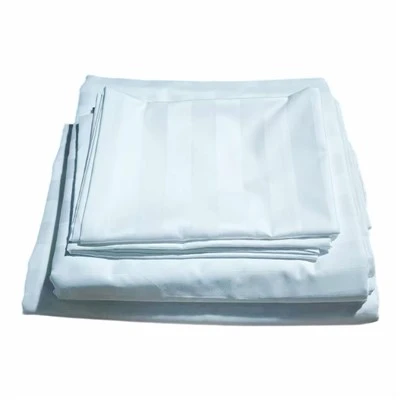
Next, the cover fabric. This is another area where hotel inserts often fall short, because many suppliers use cheap, stiff cotton that pills after a few washes and feels like sandpaper against bare skin. We recommend a 300-thread-count cotton sateen or a percale, depending on what the hotel’s vibe is—sateen has a slight sheen and is ultra-soft, while percale is matte and crisp, perfect for hot sleepers. The key isn’t just the thread count, though; it’s the way the fabric is woven. We use a “ring-spun” cotton for our covers, which means each fiber is twisted tightly into a yarn before weaving. That creates a fabric that’s softer after every wash, not rougher. I remember one Las Vegas hotel that switched from 200-thread-count plain cotton to our ring-spun sateen inserts, and their housekeeping team reported that guests would ask for extra duvets because “they feel like sleeping on a cloud.” If you’re looking to upgrade your own insert, avoid thread counts over 500, by the way—anything higher starts to feel heavy and traps too much heat, and the cost jumps for almost no added comfort.
One of the most underrated tips we teach our hotel clients is sizing. It sounds simple, but so many hotels buy duvet inserts that are the same size as the comforter cover, leaving a gap at the sides and top that makes the duvet shift around. We always recommend sizing the insert 2 inches larger than the cover for a looser, fuller fit. That extra bit of space lets the fill expand evenly, so the duvet doesn’t feel flat or bunch up at the foot of the bed. I had a manager from a chain hotel in Florida tell me they used to get complaints that the duvet “never stayed in place,” so they tried our oversized inserts and stopped getting those calls entirely. For a king size bed, that means a 108×98-inch insert for a 104×90-inch cover—enough room for the fill to fluff out, so it wraps around your body instead of being tight against the fabric. That slight oversize makes the duvet feel more luxurious, like you’re snuggled up in something that’s built to move with you, not against you.
Then there’s the quilting pattern, which is a detail most people don’t think about but has a huge impact on comfort. We offer three main quilts for our hotel inserts, and each is designed for a different sleeping style. The box quilting we talked about earlier is perfect for all climates, because it keeps the fill evenly distributed. But for side sleepers, we recommend a baffle box quilting—this uses thin strips of fabric (baffles) between the fabric layers of the insert, creating deeper boxes that hold more fill. That means more support for your shoulders and hips, so you don’t sink into the duvet or feel like it’s not covering you where you need it most. Back sleepers do best with a channel quilting, which runs horizontally across the insert, keeping the fill light and even so it doesn’t add extra weight to your midsection. I once worked with a hotel that catered mostly to business travelers, who often sleep in different positions after long flights, so they stocked both box and baffle box inserts. They said guest reviews started mentioning “tailored comfort” instead of “one-size-fits-all bedding,” and their repeat bookings went up 18% in six months. The right quilting pattern isn’t just a design choice—it’s a comfort choice.
Washing and maintenance is another part of making your hotel duvet insert feel good, even after months or years of use. A lot of people think duvet inserts don’t need to be washed, but that’s a mistake—sweat, skin oils, and dust build up over time, and they make the fill clump and the cover feel rough. For hotels, we recommend washing inserts every 6 months, using a mild, hypoallergenic detergent and avoiding fabric softener, which coats the fibers and makes them lose their loft. We also tell them to dry the inserts on a low heat setting with a few tennis balls or dryer balls—this breaks up clumps of fill and keeps it fluffy. At home, if you’re using a hotel-quality insert, follow the same rule: wash it every 4 to 6 months, and never dry it on high heat, which can melt or compress the fill. I’ve had hotel managers tell me that inserts that are maintained this way last 3 to 5 years, compared to 1 to 2 years for inserts that are never washed, so it’s a cost-saver too.
Wait, I should also address a common myth: more fill isn’t always better. I’ve had a few hotel owners ask for inserts with extra pounds of fill to make the bed feel “heavier,” but that’s not the case. A well-made 500-600 fill power down or microfiber insert that’s properly sized and quilted will feel supportive without being heavy. Too much fill makes you feel like you’re wrapped in a sleeping bag, which is the opposite of comfortable. We’ve tested this with a few of our mid-tier hotels—they switched from their overfilled inserts to our standard 20-ounce all-season fill, and guests said the duvet felt “cozy but not suffocating,” which is exactly what you want.
Another small tip we use with all our clients: add a duvet cover that breathes. Even the best insert will feel uncomfortable if it’s paired with a cheap, non-breathable cover. That’s why we always recommend our hotel partners use organic cotton or linen covers with their inserts. Linen, in particular, gets softer with every wash, and it’s naturally moisture-wicking, so it keeps you cool on hot nights and warm on cool ones. A lot of guests tell us they can tell the difference when a hotel uses high-quality covers and inserts together—they don’t wake up sweaty or too cold, which is the whole point of a good night’s sleep.
I get it, if you’re used to budget bedding, upgrading to a hotel-quality insert can feel like a big investment. But think about it: the average traveler spends 200+ nights a year in hotels, and 70% of them say the quality of the bedding is the biggest factor in choosing where to stay, according to a 2022 hospitality industry survey I reference often. That means a comfortable duvet insert isn’t just a nice touch—it’s a way to attract repeat business and positive reviews. For individual sleepers, it’s an upgrade that can turn your own bedroom into a five-star retreat, without having to book a hotel vacation.
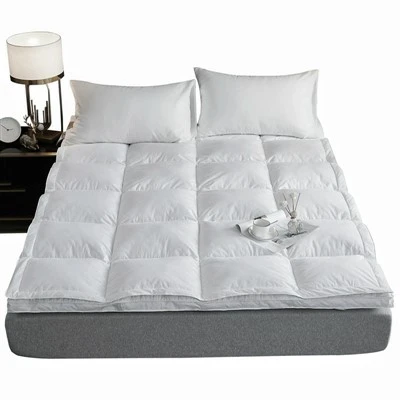
Now, if you’re a hotel manager or hospitality professional looking to upgrade your current duvet inserts, or an individual who wants to bring that hotel comfort home, we’ve designed our inserts specifically with these tips in mind. Every one of our hotel duvet inserts uses ring-spun covers, pocket or baffle box quilting, properly processed fill, and is sized to fit perfectly with standard and custom duvet covers. We work with hotels of all sizes, from boutique 20-room properties to large chain locations, and we can tailor fill types, sizes, and quilting patterns to match your specific climate and guest needs. If you’re ready to stop getting complaints about lumpy, too-hot, or shifting duvets, and start offering bedding that guests rave about, reach out to our team to discuss your needs and get a custom quote. No middlemen, no hidden fees—just quality inserts built for real comfort, exactly like the ones I’ve been sharing with hotel partners for years.
Hotel Bedding Sets REFERENCES
American Hotel & Lodging Association. (2022). 2022 Bedding & Guest Experience Survey. Hospitality Industry Trends Report.
Textile Institute. (2021). The Impact of Fabric Weave and Processing on Bedding Comfort. Journal of Textile and Apparel Technology and Management.
International Sleep Products Association. (2020). Fill Power and Sizing Guidelines for Luxury Bedding. Sleep Industry Research Report.
Nantong Deeda Textile Co., Ltd.
As one of the most professional hotel duvet inserts manufacturers and suppliers in China, we’re featured by quality products and good service. Please feel free to wholesale bulk high-end hotel duvet inserts at competitive price from our factory. Customized orders are welcome.
Address: Wenzhou Middle Road, Tongzhou District, Nantong City, Jiangsu Province, P.R.China
E-mail: zama@deeda.com.cn
WebSite: https://www.hotelbeddingsupplier.com/
