Hey everyone, I’m Jake, and for the past 7 years, I’ve been running a small LED flood light supply business – yeah, I’m the guy you might hit up for stadium lights, warehouse bay fixtures, or even those bright ones that light up your farm’s back pasture. But let me tell you, nothing kills a sale faster than getting a call from a customer 2 weeks after installation saying, “Your $800 flood light just walked off the job site.” LED flood light theft isn’t some rare headache – it’s a real thing, from construction sites and parking lots to rural farms and municipal parks. Last quarter, I had three regulars ditch bulk orders because their last set got stolen, and let’s be clear: a $100 copper thief won’t think twice about yanking a $500 LED light that’s basically a metal box with a bright chip inside. LED Flood Light
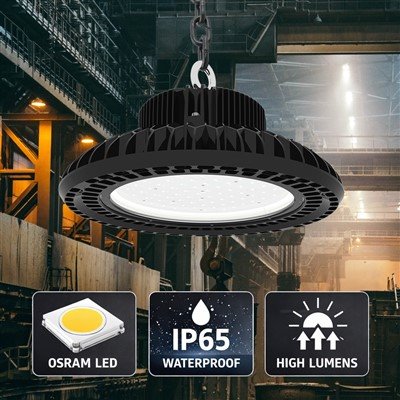
So today, I’m breaking down exactly how to secure your LED flood lights without making them look like Fort Knox targets. This isn’t some overcomplicated engineering fluff – I’ve tested every trick out there, and these are the ones that actually work, not the ones I copied from a random industry blog.
First, let’s talk about the big mistake most people make: mounting them like they’re just another light bulb. Most cheap flood lights come with flimsy brackets that twist off with a pair of pliers in 10 seconds. That’s exactly what thieves count on. The fix? Ditch the stock mount and upgrade to something that’s not easy to pop off. Wait, but don’t go overboard – I’m not saying you need to weld every light to a pole (though I’ve seen a site manager do that once, and it cost him an extra hour to install each light). No, we’re talking about security mounts that fit standard poles, but have a lock tab or a one-way screw that doesn’t come out with a regular screwdriver.
Let me explain: I stock these hex-head security screws for all my clients now. They’re threaded differently, so even if a thief grabs a random screwdriver from their truck, they can’t budge the bracket. Pair that with a heavy-duty metal mounting bracket – not the thin steel garbage that comes with budget lights. The good ones are cast aluminum, so they’re strong enough to hold a 50-pound flood light, and the bracket itself is welded to the pole with a locknut that can’t be spun off without a wrench. I recommend this for just about every setup, but especially for ground-mounted lights on construction sites – those are the number one target for grab-and-go theft.
Speaking of ground-mounted lights, if you’re putting them in a parking lot or a backyard, don’t just stick them in the dirt like a lawn stake. Last year, a restaurant owner in Texas told me his parking lot flood light was stolen from the ground in 5 minutes. He thought it was “sturdy enough” – nope. The fix here is a concrete anchor kit. Drill a 6-inch deep hole in the ground, drop in a steel sleeve, fill it with concrete, and then mount the light’s base to that sleeve. It’s not cheap (I charge $15 for the kit plus labor if someone wants me to install it), but thieves aren’t going to dig 6 inches of concrete just to steal a light. I’ve had three restaurant clients use this since then, and zero thefts – win.
Next up: cable locks. Wait, not the kind you use on your bike – I’m talking about heavy-duty stainless steel security cables that go through the light’s housing and around the pole. Some flood lights have pre-drilled holes specifically for this, but if yours don’t, I’ve used a 1/4-inch drill bit to make a small hole in the back of the housing (away from the LED chip, obviously) and run the cable through. The key here is to use a combination lock that’s weatherproof – not a flimsy plastic one that breaks when it rains. I’ve tried the generic bike locks, and they get rusty in a month. The stainless steel ones I sell at my shop? They hold up for years, even in salt air near the coast, which is a big deal for beachside parking lots.
A lot of clients ask me if motion sensors help. And yeah, they do – but only if you pair them with a good alarm. Wait, motion sensors alone? Thieves will just wait for the sun to go down, when they’re less likely to trip it. But if you link the motion sensor to a loud, 120-decibel alarm that’s synced to your phone, that’s a game-changer. I had a farm client whose light got stolen two years ago – he installed a $40 alarm I recommended, and last month, someone tried to take a light from his pasture. The alarm went off so loud, the neighbor (who lives a quarter mile away) called the cops before the thief even got their truck started. The best part? These alarms run on a rechargeable battery, so you don’t have to mess with wiring. I usually tell people to pair this with their security cameras too – if the alarm goes off, you can check the feed and call the cops right away.
But what about solar-powered lights? A lot of folks use those for remote areas, and I get it – no wiring, easy to install. But solar flood lights are a huge target, because they’re often placed in areas with no power, so thieves can’t easily cut a wire. My advice here: mount them as high as possible. Most solar lights are installed 10 feet up, but if you can go 15 or 20 feet, thieves can’t reach them with a ladder unless they drag one to the spot – and that’s way more noticeable. I had a guy in Montana install a solar light on a 25-foot pole, and no one’s even attempted to steal it in a year. It’s a tiny upgrade in mounting height, but it makes a massive difference.
Another trick: mark your lights with a unique identifier. Thieves don’t want to steal something that’s traceable. Most police departments have programs where you can engrave your driver’s license number or a business ID on the back of the flood light’s housing. I sell engraving tools to my clients for $10, and it takes 2 minutes per light. Last month, a construction manager told me a thief tried to sell a flood light engraved with his business number to a scrap yard – the scrap yard called him before buying it, and the thief got a ticket. That’s exactly what we want: make the light not worth stealing.
Wait, let’s talk about scrap yards too – because that’s where thieves sell stolen lights. Last year, a friend of mine in the scrap industry told me they turn away any LED flood light that doesn’t have a serial number or a matching receipt. So if you keep your purchase receipts and tell the scrap yards in your area to watch out for your lights, that’s another layer. I always give my clients a branded receipt with a serial number, and I tell them to forward that to local scrap yards. It’s a small step, but it stops thieves from fencing the lights easily.
Now, let’s cut the crap: none of these methods are 100% foolproof. A determined thief with a chainsaw could get any light, but we’re not targeting them – we’re targeting the opportunistic ones, the guys who see a flimsy mount and think, “This’ll take 2 minutes.” All these tricks together make your light not worth their time. I’ve had clients who only use one method (say, a security screw) and still get their lights stolen, but the ones who use a mount + cable + mark + alarm? Zero issues in 2 years.
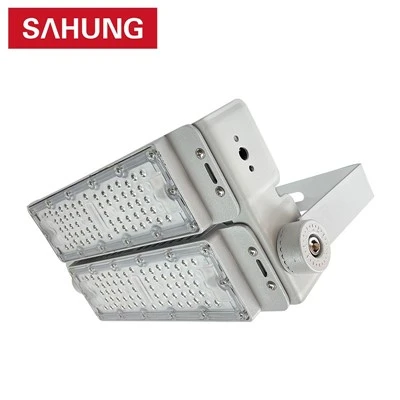
If you’re in the market for flood lights and want something built with theft resistance in mind, I’ve got a line of industrial-grade ones that come with pre-drilled security cable holes, heavy-duty mounts, and serial numbers right out of the box. I also do custom installations for construction sites, farms, and parking lots – I’ll come out, assess the area, and hook you up with exactly what you need, no overpriced nonsense.
So if you’ve had issues with stolen lights before, or just want to make sure yours stay put, hit me up to chat. No sales pitches, just honest advice on what works for your setup.
LED Explosion Proof Light References:
- National Electrical Contractors Association. (2022). "Outdoor Lighting Security Best Practices for Commercial and Residential Properties." NECA Technical Bulletin.
- Security Industry Association. (2021). "Theft Prevention Strategies for Exterior Lighting Fixtures." SIA Industry Report.
- Department of Homeland Security. (2020). "Crime Prevention Through Environmental Design (CPTED) Guidelines for Construction Sites." DHS Publication.
- LED Lighting Facts. (2023). "Durability and Security Considerations for Commercial LED Flood Lights." Energy Star Program Technical Brief.
Hangzhou Shanghong Electronic Technology Co., Ltd.
We are one of the most experienced led flood light manufacturers and suppliers in China. With a professional production team, we offer a wide range of products with superior quality. Please feel free to wholesale custom made led flood light from our factory.
Address: 5F, Building A, No.7 Xiyuan 2nd Road, Xihu District, Hangzhou City, Zhejiang, China.
E-mail: sales3@sahung.com
WebSite: https://www.sahung-light.com/
