If you’ve ever stopped to think about what happens to that shiny metal trophy collecting dust on a shelf long after the award ceremony ends, you’re not alone. As a metal trophy supplier with nearly a decade in the industry, I’ve fielded this exact question dozens of times from event coordinators, club leaders, and even past winners: Are metal trophies recyclable? For years, the short answer I gave was a vague “yes, probably,” but over time, I’ve dug into the science, the industry standards, and the real-world logistics that turn that simple yes into a nuanced conversation worth sharing. Metal Trophy

Let’s start with the basics: what are metal trophies actually made of? Most standard metal trophies fall into two main categories: zinc alloy (often called zamak, a combination of zinc, aluminum, magnesium, and copper) and stainless steel, with some premium pieces using brass or silver plate. None of these are single-material products, but all are fully recyclable—though not always in the way most people assume. Recyclability depends on a few key factors: the type of metal, any coatings or plating, and whether the trophy has any non-metal components like plastic bases, engraving, or logos.
First, let’s break down the science of why metal trophies work so well in recycling. Metals have what’s called an “infinite recyclability loop”—unlike paper or plastic, they don’t degrade in quality or purity when melted down and repurposed. A pound of recycled zinc is just as strong and durable as a pound of newly mined zinc, the same goes for stainless steel. That’s a huge advantage for recycling, because it means every trophy can live multiple lives. For context, only about 9% of plastic is recycled globally, compared to over 70% of steel and 60% of aluminum—numbers that make metal trophies a surprisingly eco-friendly choice for awards, even at the end of their lifecycle.
But here’s where it gets tricky: most local curbside recycling programs aren’t set up to handle metal trophies. Why? Think about it—curbside bins are sorted by single materials, and trophies are small, oddly shaped, and often mixed with tiny bits of plastic or engraving ink. A steel trophy’s metal is so thin in some places, and its shape so irregular, that it can jam sorting machinery at recycling centers. I’ve seen this firsthand: last year, a customer sent 50 old youth sports trophies to a local recycling center, and they were turned away because the center’s automated sorters couldn’t separate the small metal pieces from plastic bases. That doesn’t mean they’re not recyclable—it means they need to be recycled through a special metal recycling program, not curbside.
So what’s the right way to recycle a metal trophy? If you’re a business or organization with a large number of trophies, there are specialized scrap metal processors that accept them. These operations know how to disassemble trophies, separate the metal from non-metal parts, and melt the pure metal down for reuse. For individual trophies, many cities have drop-off centers for scrap metal, or you can mail them to a specialty recycling company that accepts small metal items. Some trophy suppliers, including my own, also offer a take-back program for old trophies. We don’t just send them to a landfill—we work with a recycling partner to process the metal, and sometimes even turn it into new, smaller award pieces for future customers. That’s a circular solution that keeps trophies out of landfills and gives them a second life.
Now, let’s talk about common myths that I hear all the time from customers. One big myth: “Engraving makes metal trophies not recyclable.” The truth is, engraving removes a tiny amount of metal from the surface, but it doesn’t ruin the entire piece. When metal is melted down, even the metal with engraving or plating is mixed in and reprocessed. For example, a stainless steel trophy with a custom name engraved on the base still goes into the same melting batch as unengraved metal—engraving is such a small part of the total metal weight that it doesn’t affect the recyclability. The same goes for plating: a silver-plated brass trophy can be recycled, and the silver is actually a valuable byproduct that can be separated during processing.
Another myth: “Metal trophies take too much energy to recycle, so it’s not worth it.” Let’s do a quick comparison. Recycling steel uses 75% less energy than making new steel from raw iron ore. Recycling zinc uses 95% less energy than mining and refining new zinc. That’s not just a small difference—it’s a massive cut in carbon emissions. For example, one ton of recycled steel saves about 2,500 pounds of coal and 14,000 pounds of iron ore. When you multiply that by the thousands of trophies we process each year, those energy savings add up to a huge environmental impact. That’s a big reason why more event organizers are choosing metal trophies over plastic ones—they’re not just more durable and visually appealing; they’re also way more sustainable.
I’ve seen the impact of bad trophy disposal firsthand. A few years ago, a local high school contacted me because they had 100 old baseball trophies from a 20-year-old sports program. They had been storing them in a garage and didn’t know what to do with them—they didn’t want to throw them in the trash, but they thought curbside recycling wouldn’t take them. I connected them with a local scrap metal processor that agreed to take all the trophies for free, and within a week, the entire batch was melted down and repurposed into construction steel for a local school renovation. That story stuck with me because it shows that even “old” trophies don’t have to be waste—they just need the right path to recycling.
So what about when a trophy is damaged or broken? A cracked zinc alloy trophy or a bent metal award isn’t useless. Even if the metal is damaged, it can still be recycled. The only time a metal trophy can’t be recycled is if it’s coated with a harmful material, like lead paint—though modern trophy suppliers like myself use only lead-free, non-toxic coatings that are fully compatible with recycling processes. That’s a key point for anyone choosing awards: not all metal is equal, and choosing a supplier that uses safe, recyclable materials makes the end-of-life process much simpler.
Now, let’s get practical for anyone wondering: what should you do with an old metal trophy? First, if it’s in good condition and you don’t want it, consider donating it to a local school, youth group, or amateur sports league. Many organizations can repurpose old trophies for new awards, which keeps them in use and out of recycling streams. If it’s too damaged to donate, check with your local waste management company to see if they offer metal recycling drop-offs for small items. If you’re a business with multiple trophies, contact a local scrap metal dealer—most will come pick up the items for free, and sometimes even pay a small fee for the metal. And if you bought your trophy from a supplier like myself, ask about their take-back program; many of us offer that service as a way to reduce waste.
As a supplier, I’ve also had to balance customer demand for new awards with the need to reduce environmental impact. That’s why we’ve started offering “upcycled” metal trophies for customers who want a more sustainable option. Upcycled trophies are made from 100% recycled metal, often sourced from old trophy parts and scrap metal. They look just as polished and professional as new trophies, but their lifecycle starts with recycled material, and they’re designed to be recycled again at the end of their use. It’s a small change, but it’s one that more and of our customers are choosing, and it’s a direct response to the question I get most often: “Can this trophy be recycled?”
The reality is that metal trophies are one of the most sustainable types of awards you can choose. Their infinite recyclability, low energy impact compared to other materials, and durability mean they can be passed down, repurposed, and melted down again without becoming waste. The only barrier is knowing how to recycle them properly. That’s why I always tell customers: don’t throw your old metal trophies in the trash. They’re valuable, they’re recyclable, and with a little bit of effort, they can live on in new products for years to come.
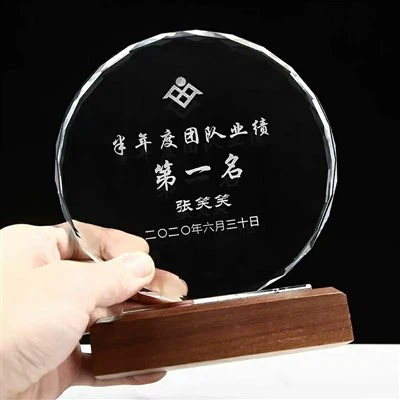
If you’re planning an event and looking for a metal trophy that’s both high-quality and sustainable, or you have a batch of old trophies you need to recycle, we’re here to help. We can walk you through your options, whether you’re ordering new awards or disposing of old ones, to make the process as easy and eco-friendly as possible. Contact our team to learn more about our products, our take-back program, or to discuss your specific needs for event awards.
Resin Trophy References:
- World Steel Association. (2023). Recycling Statistics.
- International Zinc Association. (2022). Zinc Recycling and Sustainability.
- EPA. (2021). Sustainable Materials Management: Metals.
- Recycling Today. (2023). The State of Small Scrap Metal Recycling.
- Trophy Manufacturers Association. (2022). Sustainable Practices in the Awards Industry.
Pujiang County Hongxin E-commerce Co., Ltd.
As one of the most professional metal trophy manufacturers and suppliers in China, we offer a wide range of products with superior quality. Please rest assured to wholesale high-end metal trophy at competitive price from our factory. Good service and punctual delivery are available.
Address: No. 6, Row 4, Section 4, Yuequan West Road, Pujiang
E-mail: hongjiangluo95@gmail.com
WebSite: https://www.crystalcraftfactory.com/
