Hey there! I’m a supplier of Cool – MOSFETs, and I’ve seen firsthand how important it is to protect these little powerhouses from vibration. In this blog, I’ll share some tips on how to do just that. Cool-MOSFETs
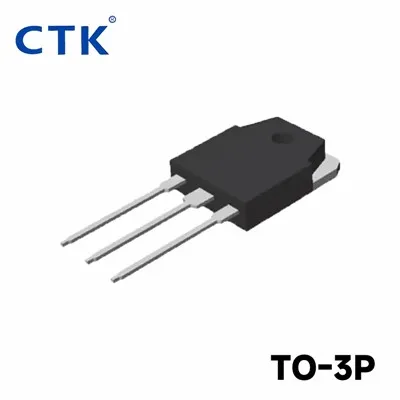
First off, let’s talk about why vibration is such a big deal for Cool – MOSFETs. These devices are used in a wide range of applications, from power supplies to motor drives. They’re designed to handle high – power loads and switching frequencies, but vibration can cause some serious problems.
Vibration can lead to mechanical stress on the MOSFETs. This stress can cause solder joints to crack, which in turn can lead to electrical failures. It can also cause the internal components of the MOSFET to shift, affecting its performance and potentially reducing its lifespan.
So, how can we protect Cool – MOSFETs from vibration?
Mounting Techniques
One of the most important things is the way we mount the Cool – MOSFETs. A proper mounting method can significantly reduce the impact of vibration.
1. Use Vibration – Damping Materials
When mounting the MOSFETs on a PCB (Printed Circuit Board), we can use vibration – damping materials. For example, rubber gaskets or pads can be placed between the MOSFET and the PCB. These materials absorb the vibration energy and prevent it from being transferred directly to the MOSFET.
I remember one time, a customer was having issues with MOSFET failures in a product that was subject to a lot of vibration. After we suggested using rubber pads for mounting, the failure rate dropped significantly. It’s a simple solution, but it can make a huge difference.
2. Secure Mounting
Make sure the MOSFETs are securely mounted on the PCB. Loose mounting can allow the MOSFET to move around when there’s vibration, increasing the risk of damage. Use appropriate screws or clips to hold the MOSFET in place.
We once had a situation where a manufacturer was using a less – than – ideal mounting method. The MOSFETs were just loosely placed on the PCB, and they started to fail after a short period of use. After we recommended using proper screws to secure them, the problem was solved.
Encapsulation
Encapsulating the Cool – MOSFETs can also be an effective way to protect them from vibration.
1. Potting Compounds
Potting compounds are materials that can be used to encapsulate the MOSFETs. These compounds fill the space around the MOSFET, providing mechanical support and reducing the impact of vibration.
There are different types of potting compounds available, such as epoxy – based and silicone – based compounds. Epoxy compounds are known for their high strength and good adhesion, while silicone compounds are more flexible and can better withstand temperature changes.
We’ve worked with customers who’ve used potting compounds to protect their MOSFETs. In one case, a customer was using their products in a very harsh environment with a lot of vibration. After encapsulating the MOSFETs with a silicone – based potting compound, the reliability of the products improved significantly.
2. Gel Encapsulation
Gel encapsulation is another option. Gels are soft and can conform to the shape of the MOSFET, providing a cushioning effect against vibration. They also offer good electrical insulation properties.
I know a company that was using gel encapsulation for their Cool – MOSFETs in a portable device. The device was often dropped or subject to jolts, and the gel encapsulation helped to protect the MOSFETs from damage due to vibration.
Circuit Design Considerations
The circuit design also plays a role in protecting Cool – MOSFETs from vibration.
1. Isolation
Isolating the MOSFETs from other components in the circuit can reduce the impact of vibration. For example, using flexible PCBs or wire connections can allow the MOSFET to move slightly without affecting the rest of the circuit.
We’ve seen cases where a rigid PCB design caused problems because the vibration was transferred directly to the MOSFETs. By switching to a more flexible design, the MOSFETs were better protected.
2. Filtering and Decoupling
Proper filtering and decoupling in the circuit can help to reduce the electrical noise caused by vibration. Capacitors and inductors can be used to filter out unwanted frequencies and stabilize the power supply to the MOSFETs.
I’ve worked on projects where adding the right filtering components improved the performance of the MOSFETs in a vibrating environment. It’s all about making sure the electrical signals are stable and not affected by the mechanical vibrations.
Regular Inspections
Regular inspections of the Cool – MOSFETs are also crucial. By checking for any signs of damage or wear, we can catch potential problems early and take corrective action.
1. Visual Inspections
Visual inspections can help us spot issues like cracked solder joints or loose connections. We can use a microscope or a magnifying glass to get a better look at the MOSFETs.
One time, during a routine inspection, we noticed a small crack in a solder joint of a MOSFET. By replacing the MOSFET early, we were able to prevent a more serious failure down the line.
2. Electrical Testing
Electrical testing can also be done to check the performance of the MOSFETs. Parameters like drain – source resistance and threshold voltage can be measured to ensure the MOSFET is working properly.
We have a set of testing equipment that we use to regularly test the MOSFETs. This helps us to identify any issues before they become major problems.
So, there you have it! These are some of the ways we can protect Cool – MOSFETs from vibration. If you’re in the market for high – quality Cool – MOSFETs and want to learn more about how to protect them in your applications, don’t hesitate to reach out to us. We’re here to help you make the most of these amazing devices.
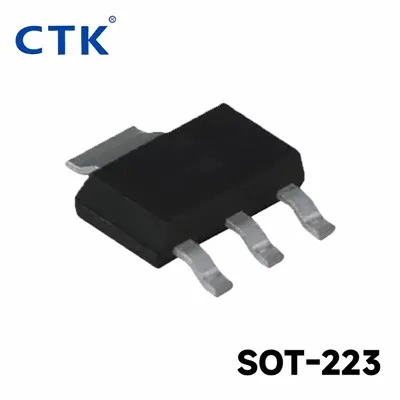
If you’re interested in purchasing Cool – MOSFETs or have any questions about their protection from vibration, feel free to contact us for a detailed discussion. We can provide you with the best solutions based on your specific needs.
DIODE References:
- "Power Electronics Handbook" by Muhammad H. Rashid
- "Semiconductor Device Physics and Design" by Simon M. Sze
Tongke Electronic Co., Ltd
Tongke Electronic Co., Ltd. is one of the most experienced cool-mosfets manufacturers and suppliers in China, featured by quality products and low price. Please rest assured to wholesale advanced cool-mosfets made in China here from our factory. Contact us for pricelist.
Address: No.3,Chayuan Rd, Street 3, AilingKan, Dalingshan, Dongguan, Guangdong, China.
E-mail: jack@ctk-elec.com
WebSite: https://www.ctkchip.com/
