What are the differences between steel and plastic storage tanks?
As a supplier of storage tanks, I’ve encountered numerous inquiries regarding the choice between steel and plastic storage tanks. Each type has its own set of characteristics, advantages, and limitations, which are crucial for customers to understand when making a purchasing decision. In this blog, I’ll delve into the key differences between steel and plastic storage tanks, covering aspects such as material properties, cost, durability, and maintenance. Storage Tank
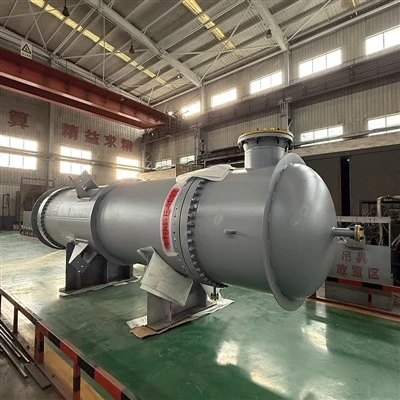
Material Properties
The most fundamental difference between steel and plastic storage tanks lies in their material composition. Steel is a metal alloy, typically composed of iron and carbon, with small amounts of other elements such as manganese, silicon, and sulfur. It is known for its high strength, rigidity, and resistance to impact. Plastic, on the other hand, is a synthetic polymer made from various chemical compounds. There are different types of plastics used for storage tanks, such as polyethylene (PE), polypropylene (PP), and fiberglass-reinforced plastic (FRP). Each type of plastic has its own unique properties, but in general, plastics are lightweight, flexible, and corrosion-resistant.
One of the main advantages of steel storage tanks is their strength. Steel can withstand high pressures and heavy loads, making it suitable for storing large volumes of liquids or gases. It is also less likely to deform or crack under stress compared to plastic. This makes steel tanks a popular choice for industrial applications where the storage of hazardous or high-pressure substances is required.
Plastic storage tanks, on the other hand, are more flexible and lightweight. They are easier to install and transport, especially for smaller tanks. Plastic is also highly resistant to corrosion, which is a major advantage in environments where the stored substance may be corrosive. For example, plastic tanks are commonly used for storing chemicals, water, and wastewater.
Cost
Cost is often a significant factor when choosing between steel and plastic storage tanks. Steel tanks are generally more expensive upfront than plastic tanks. The cost of steel is relatively high, and the manufacturing process for steel tanks is more complex and labor-intensive. Additionally, steel tanks may require additional coatings or linings to prevent corrosion, which adds to the overall cost.
Plastic storage tanks, on the other hand, are more cost-effective. The raw materials for plastic are less expensive, and the manufacturing process is simpler and faster. Plastic tanks also do not require additional coatings or linings, which further reduces the cost. However, it’s important to note that the cost of plastic tanks may increase significantly for larger sizes or for tanks with special requirements.
Durability
Durability is another important consideration when choosing a storage tank. Steel tanks are known for their long lifespan. With proper maintenance, a steel tank can last for several decades. Steel is resistant to physical damage, such as impact and abrasion, and it can withstand extreme temperatures and weather conditions. However, steel is susceptible to corrosion, especially in environments where the stored substance is corrosive or where the tank is exposed to moisture. To prevent corrosion, steel tanks may require regular inspections, cleaning, and the application of protective coatings.
Plastic storage tanks also have a relatively long lifespan, but they are more susceptible to damage from UV radiation, heat, and chemicals. Over time, plastic may become brittle and crack, especially if it is exposed to harsh environmental conditions. However, modern plastics are designed to be more durable and resistant to these factors. Additionally, plastic tanks are less likely to corrode, which can extend their lifespan in corrosive environments.
Maintenance
Maintenance requirements are an important factor to consider when choosing a storage tank. Steel tanks require regular maintenance to prevent corrosion and ensure their structural integrity. This may include inspections, cleaning, and the application of protective coatings. Steel tanks also need to be monitored for signs of damage, such as cracks or leaks, and any issues need to be addressed promptly.
Plastic storage tanks are generally easier to maintain. They do not require the same level of maintenance as steel tanks, as they are resistant to corrosion. However, plastic tanks still need to be inspected regularly for signs of damage, such as cracks or leaks. Additionally, plastic tanks may need to be cleaned periodically to remove any debris or contaminants.
Applications
The choice between steel and plastic storage tanks also depends on the specific application. Steel tanks are commonly used in industrial applications where the storage of large volumes of liquids or gases is required. They are suitable for storing a wide range of substances, including petroleum products, chemicals, and water. Steel tanks are also used in the food and beverage industry, where they are used to store ingredients and finished products.
Plastic storage tanks are commonly used in residential, commercial, and agricultural applications. They are suitable for storing water, chemicals, and other substances. Plastic tanks are also used in the wastewater treatment industry, where they are used to store and treat wastewater.
Conclusion

In conclusion, there are significant differences between steel and plastic storage tanks. Steel tanks are stronger, more durable, and suitable for industrial applications where the storage of large volumes of liquids or gases is required. Plastic tanks are more cost-effective, lightweight, and easier to install and maintain. They are suitable for residential, commercial, and agricultural applications. When choosing a storage tank, it’s important to consider the specific requirements of the application, including the type of substance to be stored, the volume of the substance, the environmental conditions, and the budget.
Fixed Tube Sheet Heat Exchangers If you’re in the market for a storage tank, I encourage you to contact us to discuss your specific needs. Our team of experts can provide you with detailed information about our steel and plastic storage tanks and help you choose the right tank for your application. We offer a wide range of storage tanks in different sizes, shapes, and materials, and we can customize our tanks to meet your specific requirements. Contact us today to learn more about our products and services.
References
- ASME Boiler and Pressure Vessel Code
- ASTM International Standards
- National Fire Protection Association (NFPA) Standards
- American Water Works Association (AWWA) Standards
Shandong Meiling International Trading Co., Ltd.
We are one of the most professional storage tank manufacturers and suppliers in China, featured by quality products and good service. Please feel free to wholesale advanced storage tank made in China here from our factory. Customized orders are welcome.
Address: No. 998 Niushan Road, Linzi District, Zibo City, Shandong Province
E-mail: dingxiaoli@sdmeiling.com.cn
WebSite: https://www.ml-heatexchanger.com/
