Hey there! I’m a supplier of high-pressure shaft seals, and today I wanna chat about the not-so-great sides of these things. Yeah, I know it might seem a bit weird for a supplier to talk about the disadvantages, but I believe in being real with you all. Understanding the drawbacks can actually help you make better decisions when it comes to choosing the right seals for your needs. High Pressure Shaft Seal

First off, let’s talk about cost. High-pressure shaft seals are expensive. The materials used to make them have to be super tough and durable to handle the high pressure. We’re talking about stuff like special alloys and high-performance polymers. Plus, the manufacturing process is complex. It involves precision machining, strict quality control, and sometimes even custom designs for specific applications. All these factors drive up the price. If you’re on a tight budget, shelling out the cash for these seals can really put a dent in your wallet. And if you need a large number of seals for a big project, the cost can quickly get out of hand.
Then there’s the issue of installation. Installing high-pressure shaft seals is no walk in the park. It requires a high level of skill and expertise. You can’t just slap these seals in place and expect them to work perfectly. They need to be installed exactly right, with the correct alignment and the right amount of torque. Even a small mistake during installation can lead to problems down the line. For example, if the seal isn’t aligned properly, it can cause uneven wear, which will shorten its lifespan. And if you don’t apply the right amount of torque, the seal might not be able to hold up under the high pressure, leading to leaks. This means you either have to hire a professional installer, which adds to the cost, or spend a lot of time training your own staff to do it correctly.
Maintenance is another headache. High-pressure shaft seals need regular maintenance to keep them in good working condition. The high pressure they’re exposed to can cause wear and tear over time. The seals can get damaged by contaminants in the fluid they’re sealing, like dirt and debris. And the extreme pressure can also cause the materials to degrade. This means you have to check the seals frequently for signs of wear, clean them regularly, and replace worn-out parts as needed. All this maintenance takes time and money. You have to allocate resources for maintenance staff, spare parts, and testing equipment. And if you don’t keep up with the maintenance, you risk seal failure, which can lead to costly downtime and repairs.
Compatibility is yet another problem. High-pressure shaft seals have to be compatible with the fluid they’re sealing. If the seal material isn’t compatible with the fluid, it can react with it, causing the seal to degrade or fail. For example, some seals might not be compatible with certain chemicals or high-temperature fluids. This means you have to be really careful when choosing a seal for your application. You need to consider the type of fluid, its temperature, and its chemical properties. And if you make a mistake and choose an incompatible seal, you’ll have to replace it, which is not only costly but also time-consuming.
Seal failure can also be a major issue. When a high-pressure shaft seal fails, it can cause a whole bunch of problems. The most obvious one is leakage. Leakage can lead to a loss of fluid, which can be a big deal if it’s a valuable or hazardous fluid. It can also cause environmental pollution. And if the leakage is severe enough, it can even lead to equipment damage. For example, if the fluid leaks onto electrical components, it can cause a short circuit. Plus, when a seal fails, you have to shut down the equipment to replace it. This means costly downtime for your operations.
Another disadvantage is the limited lifespan. Even with proper maintenance, high-pressure shaft seals don’t last forever. The high pressure and harsh operating conditions take a toll on them. The lifespan of a seal can vary depending on many factors, like the type of application, the quality of the seal, and the maintenance schedule. But in general, you can expect to replace these seals more often compared to regular shaft seals. This means more frequent purchases and more downtime for replacement.
Noise and vibration are also things to consider. High-pressure shaft seals can sometimes generate noise and vibration during operation. This is because the high pressure can cause the seal to vibrate as it tries to hold back the fluid. The noise and vibration can be annoying, but more importantly, they can also be a sign of a problem. Excessive vibration can lead to premature wear of the seal and other components, and it can also affect the performance of the equipment.
Now, despite all these disadvantages, high-pressure shaft seals are still essential in many applications where high pressure is involved. They play a crucial role in keeping your equipment running smoothly and preventing leaks. And as a supplier, I’m constantly working on improving the technology to minimize these drawbacks.
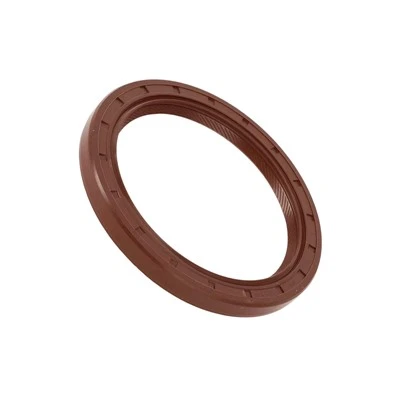
If you’re in the market for high-pressure shaft seals, I’d love to have a chat with you. I can help you choose the right seals for your specific needs, taking into account all these factors. Whether you’re dealing with a small project or a large industrial application, I’ve got the expertise and the products to meet your requirements. So, don’t hesitate to reach out for a procurement discussion. Let’s work together to find the best solution for you.
Camshaft Oil Seal References
- "Sealing Technology Handbook" by John A. Sisson
- "High-Pressure Sealing Systems: Design, Analysis, and Applications" by Peter J. Martineau
- Various industry research papers on shaft seal performance and maintenance
Hebei Jinwo Machinery Technology Co., Ltd.
Hebei Jinwo Machinery Technology Co., Ltd. is one of the most professional high pressure shaft seal manufacturers and suppliers in China, featured by quality products and good price. Welcome to buy bulk advanced high pressure shaft seal in stock here and get pricelist from our factory. We also accept customized orders.
Address: Room 2109, Tower A, Meidong International, No.16 Guang’an Avenue, Chang’an District, Shijiazhuang City, Hebei Province, China
E-mail: info@jinwoseal.com
WebSite: https://www.jinwoseal.com/
