As a seasoned supplier of steam turbine components, I’ve witnessed firsthand the intricate dance of machinery that powers our modern world. Among the many components that make up a steam turbine generator system, the exciter plays a pivotal yet often overlooked role. In this blog, I’ll delve into the significance of the steam turbine generator exciter, exploring its functions, types, and its critical importance in ensuring the reliable and efficient operation of power generation facilities. Steam Turbine Components

Understanding the Basics of a Steam Turbine Generator
Before we dive into the role of the exciter, let’s take a moment to understand the fundamental operation of a steam turbine generator. At the heart of a power plant, steam is produced by heating water, typically through the combustion of fossil fuels or the use of nuclear energy. This high-pressure steam is then directed onto the blades of a steam turbine, causing the turbine to spin. The spinning turbine is connected to a generator, which consists of a rotor and a stator. As the rotor rotates within the stator, it creates a rotating magnetic field, which in turn induces an electric current in the stator windings. This process of converting mechanical energy into electrical energy is the essence of power generation.
The Role of the Exciter
Now, let’s turn our attention to the exciter. In simple terms, the exciter is responsible for providing the necessary DC (direct current) power to the rotor of the generator. The rotor, which acts as an electromagnet, requires a constant and controllable DC current to establish and maintain the magnetic field that is essential for the generation of electricity. Without an exciter, the generator would not be able to produce electrical power.
One of the primary functions of the exciter is to regulate the generator’s output voltage. By adjusting the amount of DC current supplied to the rotor, the exciter can control the strength of the magnetic field, which in turn affects the voltage generated by the stator. This is crucial for maintaining a stable and consistent electrical output, as variations in voltage can have a profound impact on the performance of electrical equipment connected to the power grid.
In addition to voltage regulation, the exciter also plays a vital role in ensuring the stability of the power system. In the event of a disturbance, such as a sudden increase or decrease in load, the exciter can quickly respond by adjusting the rotor current to help maintain the balance between the generator’s output and the load demand. This helps to prevent power outages and ensures the reliable operation of the power grid.
Types of Exciters
There are several types of exciters used in steam turbine generator systems, each with its own advantages and disadvantages. The most common types include:
-
DC Exciters: These were the first type of exciters used in power generation and are relatively simple in design. A DC exciter consists of a separate DC generator that is driven by the same shaft as the main generator. The DC output of the exciter is then fed directly to the rotor of the main generator. While DC exciters are reliable and easy to maintain, they have several limitations, including their relatively low efficiency and the need for regular maintenance of the commutator and brushes.
-
Static Exciters: Also known as semiconductor exciters, static exciters use solid-state devices such as thyristors or transistors to convert AC (alternating current) power from the generator’s auxiliary power supply into DC power for the rotor. Static exciters offer several advantages over DC exciters, including higher efficiency, faster response times, and lower maintenance requirements. They are also more flexible in terms of control and can be easily integrated with modern power system control technologies.
-
Brushless Exciters: As the name suggests, brushless exciters eliminate the need for brushes and commutators, which are the main sources of maintenance and reliability issues in DC exciters. A brushless exciter consists of an AC generator with a rotating armature and a stationary field winding. The AC output of the exciter is rectified by a rotating rectifier mounted on the same shaft as the main generator, which then provides DC power to the rotor. Brushless exciters offer high reliability and low maintenance requirements, making them a popular choice for large-scale power generation applications.
Importance of the Exciter in Power Generation
The exciter is a critical component of a steam turbine generator system, and its proper functioning is essential for the reliable and efficient operation of power generation facilities. A well-designed and maintained exciter can help to improve the performance and stability of the generator, reduce maintenance costs, and extend the lifespan of the equipment.
In addition to its technical importance, the exciter also plays a significant role in ensuring the safety of the power system. By providing a stable and controllable supply of DC power to the rotor, the exciter helps to prevent overheating and other electrical failures that could lead to equipment damage or even catastrophic accidents.
Conclusion
In conclusion, the steam turbine generator exciter is a vital component of the power generation process, responsible for providing the necessary DC power to the rotor and regulating the generator’s output voltage. Whether it’s a DC exciter, a static exciter, or a brushless exciter, each type of exciter plays a unique and important role in ensuring the reliable and efficient operation of power generation facilities.
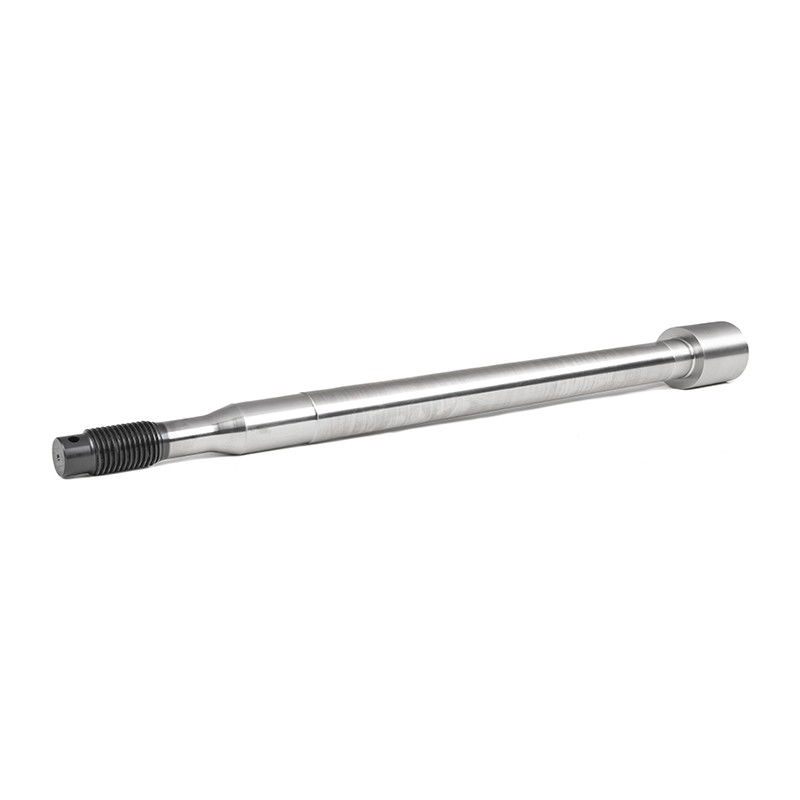
As a supplier of steam turbine components, we understand the critical importance of high-quality exciters in the power generation industry. That’s why we offer a wide range of exciter solutions designed to meet the specific needs and requirements of our customers. Our exciters are manufactured to the highest standards of quality and reliability, using the latest technology and materials to ensure optimal performance and long service life.
Steam Turbine Components If you’re in the market for a steam turbine generator exciter or other steam turbine components, we invite you to contact us to discuss your requirements. Our team of experienced engineers and sales professionals will be happy to provide you with more information about our products and services, and help you find the right solution for your needs.
References
- Electric Machinery Fundamentals, Stephen J. Chapman
- Power System Stability and Control, Prabha Kundur
- Modern Power Systems Analysis, DK Kundra and LN Tripathy
Hebei Guoyuan Electric Co., Ltd.
With abundant experience, we are one of the most professional steam turbine components manufacturers in China. We warmly welcome you to buy discount steam turbine components for sale here and get pricelist from our factory. Quality products and low price are available.
Address: No. 18 Tianshan Science and Technology Industrial Park, No. 319 Xiangjiang Road, Shijiazhuang High-tech Zone, Hebei Province, China
E-mail: turbine@goineep.com
WebSite: https://www.goineep.com/
